


Ulva in Fish Feed: Feeding Response and Growth
A fish feed formula has to work after it enters the water. Fish must accept it, consume enough of it and convert the nutrients into growth. This makes feeding response an important part of ingredient selection.
Ulva, a green seaweed, offers several options for fish feed development. These include dried seaweed powder, extracted Ulva polysaccharides and enzyme-treated ingredients. Seawin Biotech's technical presentation brings together feeding trials that help explain where each form may fit.
Understanding the different Ulva ingredients
Ulva prolifera also appears in research under its earlier name, Enteromorpha prolifera. Keeping both names in view helps feed manufacturers connect product information with published studies.
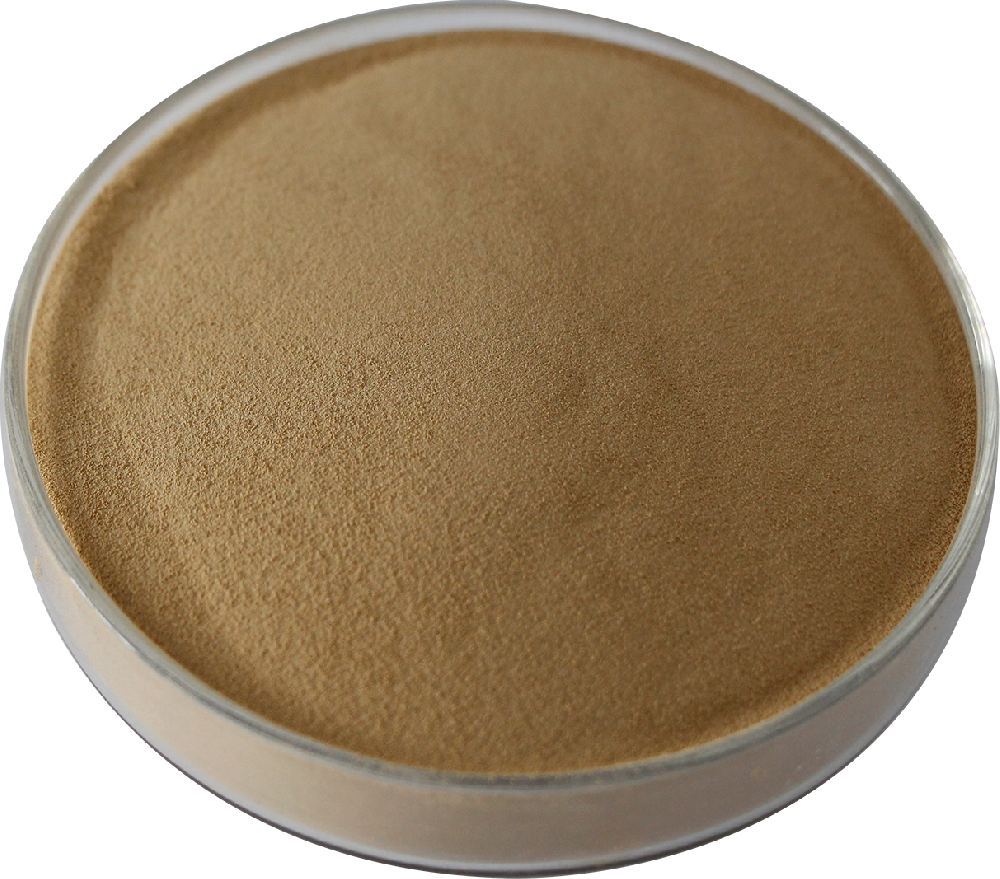
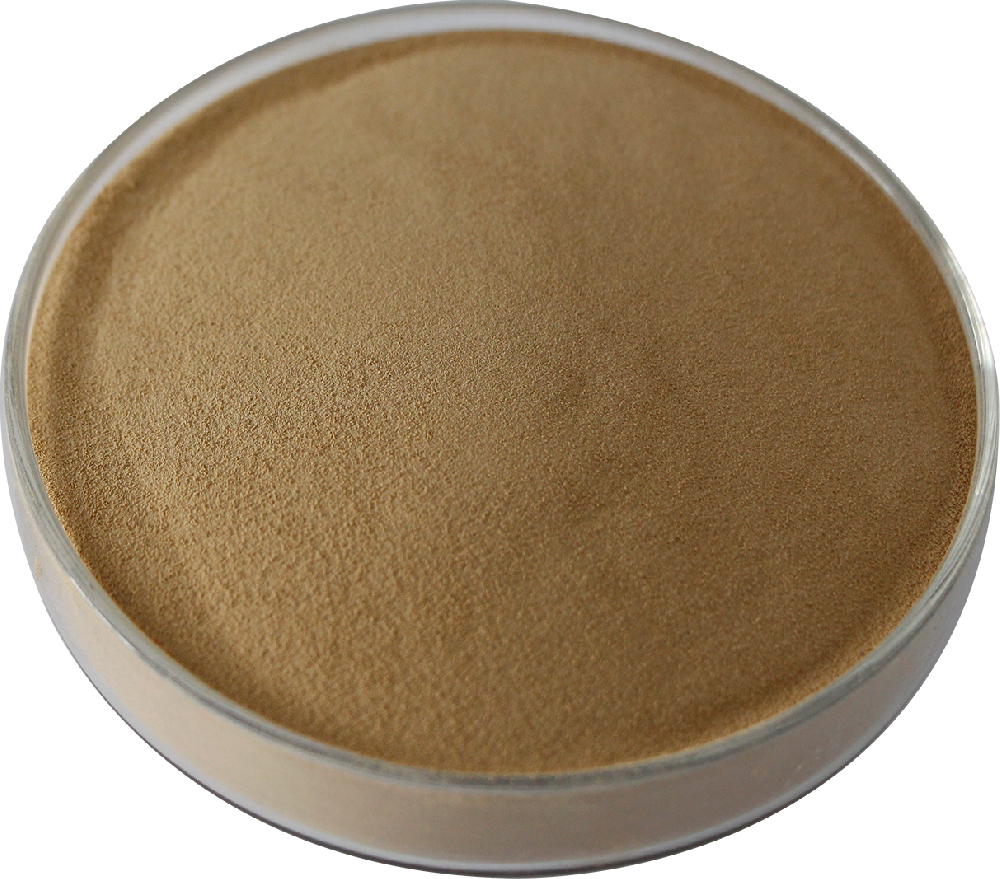
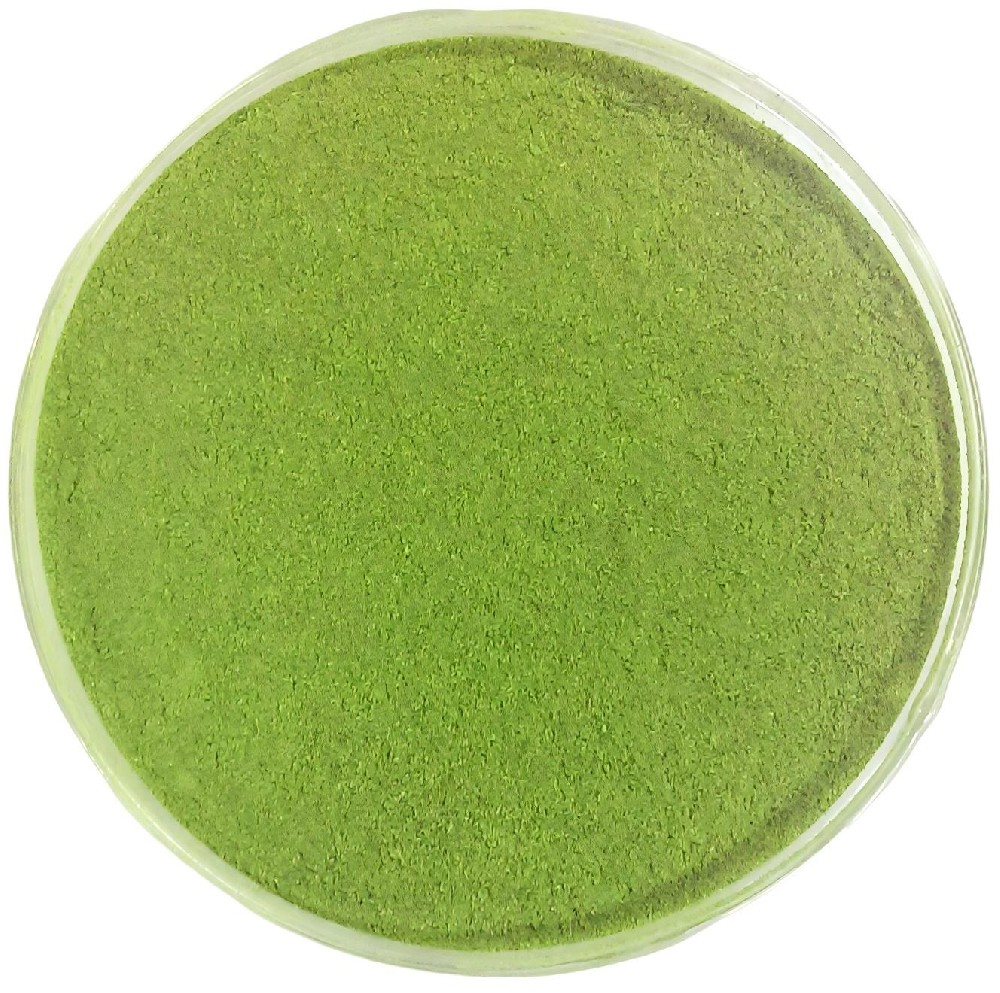
Ulva powder contains the wider seaweed matrix, including polysaccharides and minerals. It also contains dimethylsulfoniopropionate, or DMSP, which the presentation discusses in relation to feeding attraction. Extracted Ulva polysaccharides concentrate a different part of the material. Seawin describes its extraction process as enzymatic treatment followed by purification, concentration and spray drying.
These forms have different compositions and inclusion levels. A result obtained with whole Ulva powder cannot automatically be applied to a concentrated polysaccharide ingredient.
Ulva powder and fish feeding response
The presentation describes a grouper feeding-attraction trial comparing 3% Ulva powder with 0.1% DMPT and 1% squid paste. It reports a more sustained feeding response with Ulva powder under the test conditions.
For formulators, this provides a reason to evaluate Ulva when feed acceptance is a concern. The comparison used different inclusion levels, so commercial selection should also consider ingredient cost and the amount required per tonne of finished feed. Feeding attraction alone does not establish a growth or feed-conversion benefit.
Growth results in large yellow croaker
A large yellow croaker trial summarized in the presentation tested diets containing 0%, 5%, 10% and 15% Ulva. Selected results were:
| Parameter | Control, 0% Ulva | 5% Ulva |
|---|---|---|
| Final body weight | 21.33 g | 23.01 g |
| Specific growth rate | 0.86%/day | 0.96%/day |
| Feed efficiency ratio | 0.40 | 0.43 |
| Survival | 97.5% | 99.4% |
The 5% diet had the highest feed efficiency ratio and survival among the tested diets. Higher inclusion levels produced higher final weights and specific growth rates, but did not improve feed efficiency further. This is a useful formulation lesson: the preferred inclusion level depends on the outcome being measured.
Ulva polysaccharides in largemouth bass feed
Another trial in the presentation evaluated Ulva polysaccharides at 250 g per tonne of feed in juvenile largemouth bass. Mean final weight reached 13.22 g, compared with 11.46 g in the control. Specific growth rate increased from 2.60% to 2.94%.
The trial also recorded unchanged feed conversion at 0.77 and lower survival in the polysaccharide group, 93.33% versus 100%. The result supports further investigation of growth response, while showing why every measured outcome should be reviewed before choosing an ingredient.
From trial results to a commercial formula
For a fish feed trial, first identify the main question: better feed acceptance, faster growth or improved feed utilization. Then select the appropriate Ulva ingredient and compare nutritionally balanced diets.
Measure feed intake alongside weight gain and feed conversion. For Ulva powder, account for its ash and mineral contribution in the formula. For seaweed polysaccharides, confirm the tested ingredient's composition and molecular weight profile so that the trial material matches the intended commercial product.
Developing an Ulva application for fish feed? Contact Seawin Biotech to discuss ingredient options and a trial suited to your fish species and existing formula.
Source note: Numerical fish trial results are reproduced from Seawin Biotech's technical presentation, slides 15, 17 and 30. The presentation attributes these trials to Zhou et al. (2023), Hiskia (2010) and Niu Jin (2022), respectively, but does not supply full references. Taxonomic terminology follows the accepted Ulva name.



 RSS
RSS