


Ulva Polysaccharides in Poultry and Animal Feed: Growth and Gut Health
Growth performance is closely connected with how well animals use their diet. For young animals, intestinal function is an important part of that assessment. Ulva polysaccharides have attracted research interest as a marine ingredient for poultry and animal feeding, particularly in broilers and weaned piglets.
Seawin Biotech's technical presentation includes studies on extracted seaweed polysaccharides as well as whole Ulva powder. These provide different starting points for feed development.
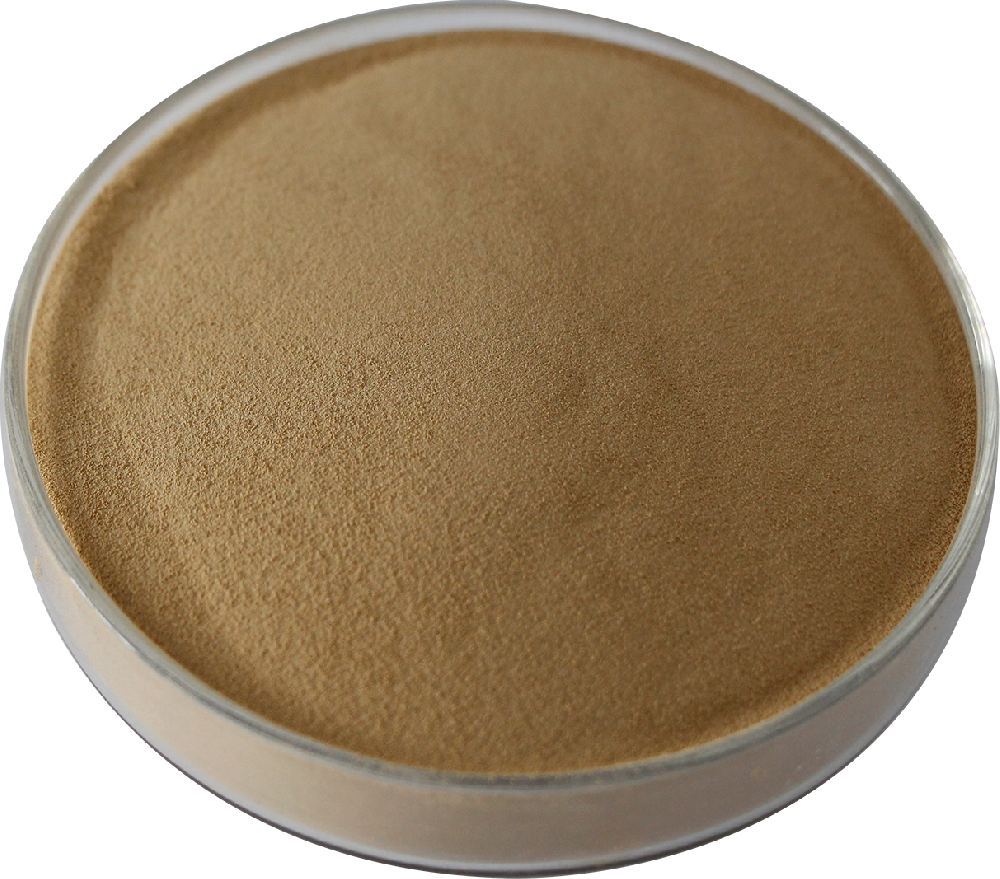
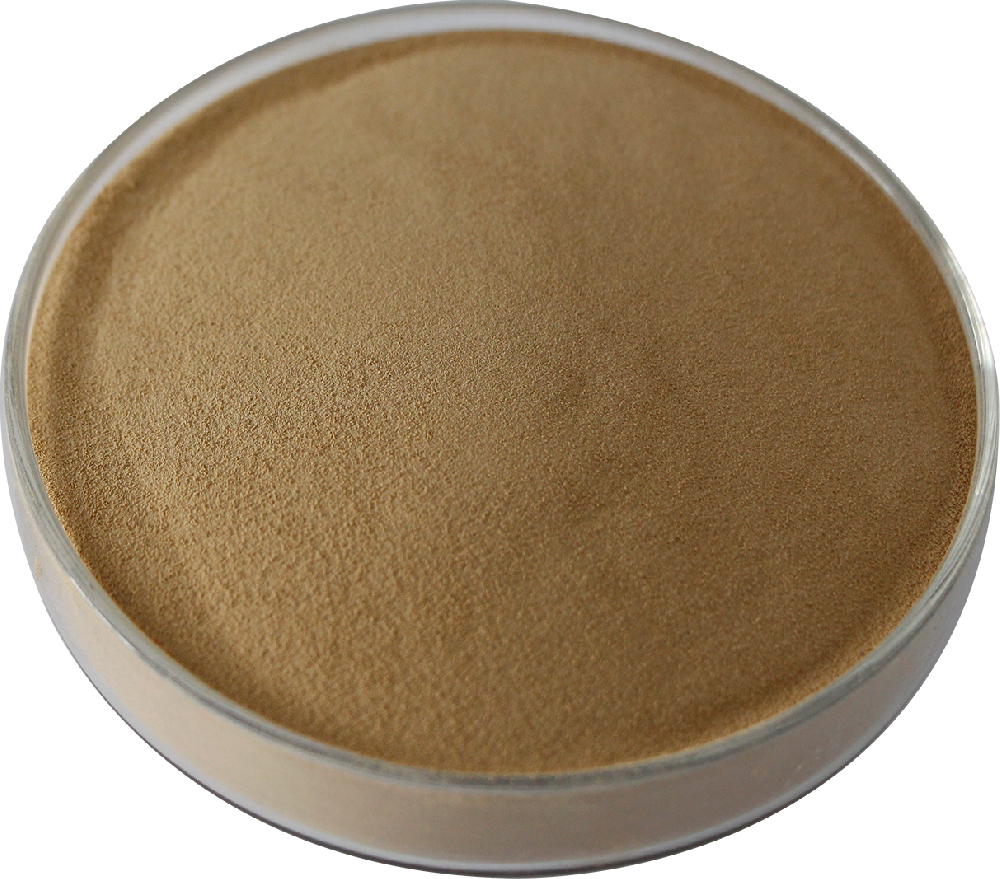
A concentrated seaweed ingredient
Ulva polysaccharides are extracted from green seaweed, also described in older literature as Enteromorpha. Seawin's presentation describes an enzymatic extraction process followed by purification, concentration and drying.
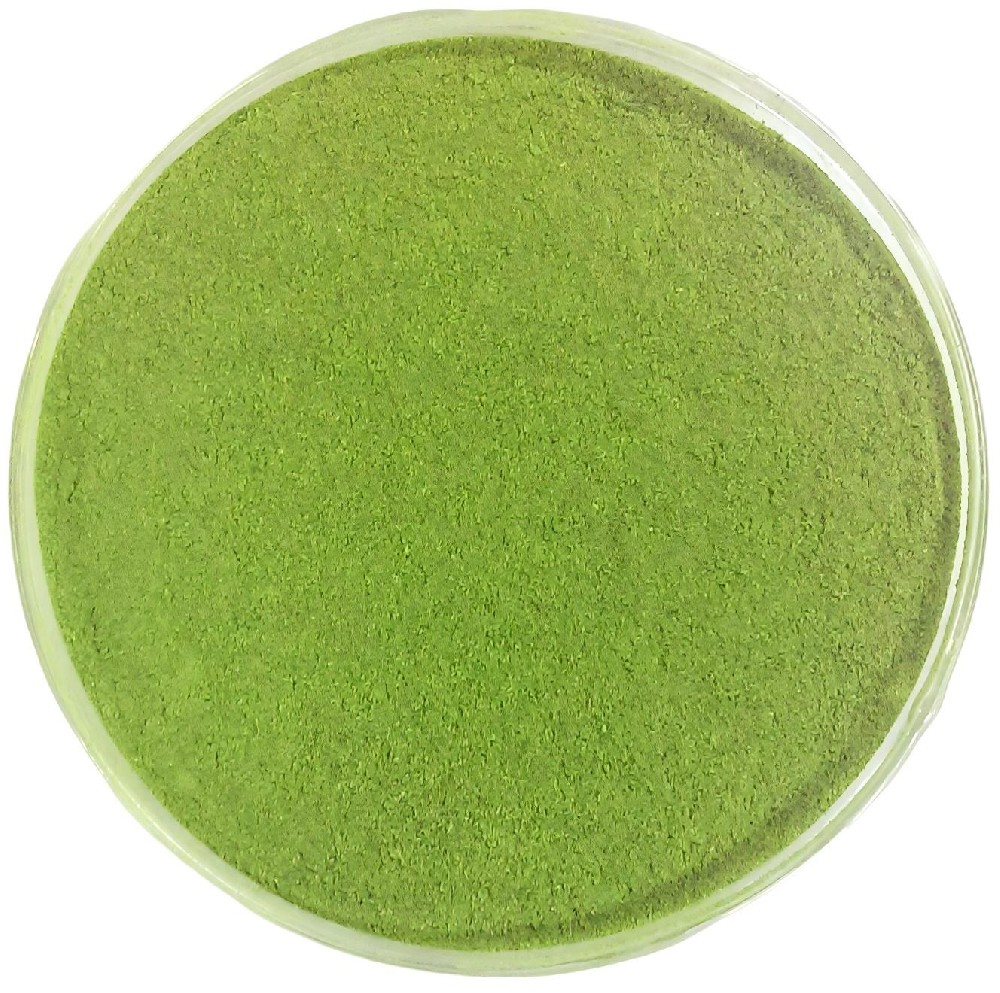
A concentrated polysaccharide ingredient differs from Ulva powder, which contributes a broader mixture of seaweed components. The distinction is important when comparing doses, interpreting research and calculating formulation cost.
Broiler growth at 400 g per tonne
A broiler study summarized in the presentation compared a basal diet with a diet containing 400 g/t of Enteromorpha polysaccharide. The table reports:
| Parameter | Control | Polysaccharide group |
|---|---|---|
| Final body weight | 2,145.14 g | 2,243.11 g |
| Average daily gain | 50.10 g/day | 52.43 g/day |
| Feed conversion ratio | 1.73 | 1.67 |
Final body weight and daily gain were significantly higher in the supplemented group. Feed conversion was numerically lower, but the reported P-value of 0.39 did not establish a significant improvement. For poultry feed manufacturers, this is a promising growth result that still needs evaluation in the intended production system.
Related published research at 400 mg/kg, equivalent to 400 g/t, also examined intestinal immune responses, barrier integrity and caecal microbial activity. These findings help explain why Ulva polysaccharides are being investigated for poultry feeding beyond body weight alone.
Weaned piglets: growth and intestinal function
A published study by Zou and colleagues evaluated seaweed-derived polysaccharides from Enteromorpha at 600 g/t in weaned piglet feed. Selected results were:
| Parameter | Control | Polysaccharide group |
|---|---|---|
| Final body weight | 12.85 kg | 13.52 kg |
| Average daily gain | 291.6 g | 319.7 g |
| Feed-to-gain ratio | 1.43 | 1.35 |
| Diarrhea rate | 7.86% | 4.51% |
Daily gain increased by approximately 9.6%, while feed-to-gain ratio decreased by approximately 5.6%. Diarrhea rate fell by 3.35 percentage points. These differences were statistically significant in the reported trial.
The researchers also investigated intestinal barrier function and microbial populations. This makes the study relevant to feed development during weaning, when intestinal adaptation is an important concern. The findings apply to the tested material and conditions, rather than to every seaweed polysaccharide product.
Where whole Ulva powder may fit
The presentation includes separate applications for Ulva powder. A sow feeding trial at 2.5% inclusion reported a lower fecal score, consistent with its stated constipation assessment. Layer trial data showed modest numerical changes in egg production and egg weight. A dairy cow trial reported higher average milk yield at daily powder additions of 400–800 g per cow, with salt content adjusted in the diet.
These examples broaden the possible uses of Ulva in animal feed. They should be evaluated as powder applications, with attention to the complete nutritional contribution of the seaweed.
Choosing a formulation objective
For broilers, a useful trial can focus on growth and intestinal measurements. For weaned piglets, daily gain, feed-to-gain ratio and diarrhea rate provide clear outcomes to track. For whole Ulva powder, the formula should also account for ash and mineral content.
Choose a dose that reflects the product specification and relevant research, then calculate ingredient cost per tonne alongside the observed production response. This gives a clearer basis for deciding whether the ingredient fits a commercial feeding program.
Contact Seawin Biotech to discuss Ulva powder or Ulva polysaccharides for your poultry and livestock feed formulations.
Research references
- Wassie et al. (2021), “Dietary Enteromorpha Polysaccharide Enhances Intestinal Immune Response, Integrity, and Caecal Microbial Activity of Broiler Chickens.” https://doi.org/10.3389/fnut.2021.783819
- Wassie et al. (2022), “Enteromorpha polysaccharide and yeast glycoprotein mixture improves growth, antioxidant activity, serum lipid profile and regulates lipid metabolism in broiler chickens.” https://doi.org/10.1016/j.psj.2022.102064
- Zou et al. (2021), “Dietary seaweed-derived polysaccharides improve growth performance of weaned pigs through maintaining intestinal barrier function and modulating gut microbial populations.” https://doi.org/10.1186/s40104-021-00552-8
Source note: Broiler growth values follow slide 31 of the supplied presentation. The same numerical means also appear in Wassie et al. (2022), so both relevant papers are listed rather than attributing the complete table solely to the PPT's 2021 citation. Piglet data follow slide 32 and Zou et al. (2021). Whole-powder applications follow slides 20, 22 and 23.



 RSS
RSS