


Ulva Polysaccharides in Shrimp Feed: Antioxidant Response and Stress Support
Shrimp feed development often involves more than growth under normal conditions. Formulators also need to consider how shrimp respond when water quality changes or oxygen becomes limited.
Ulva polysaccharides have been evaluated as a functional ingredient in whiteleg shrimp feed. Trials summarized in Seawin Biotech's technical presentation examine antioxidant response and tolerance to environmental stress. Separate trials with Ulva powder and enzyme-treated Ulva address other questions, including feeding performance.
What are Ulva polysaccharides?
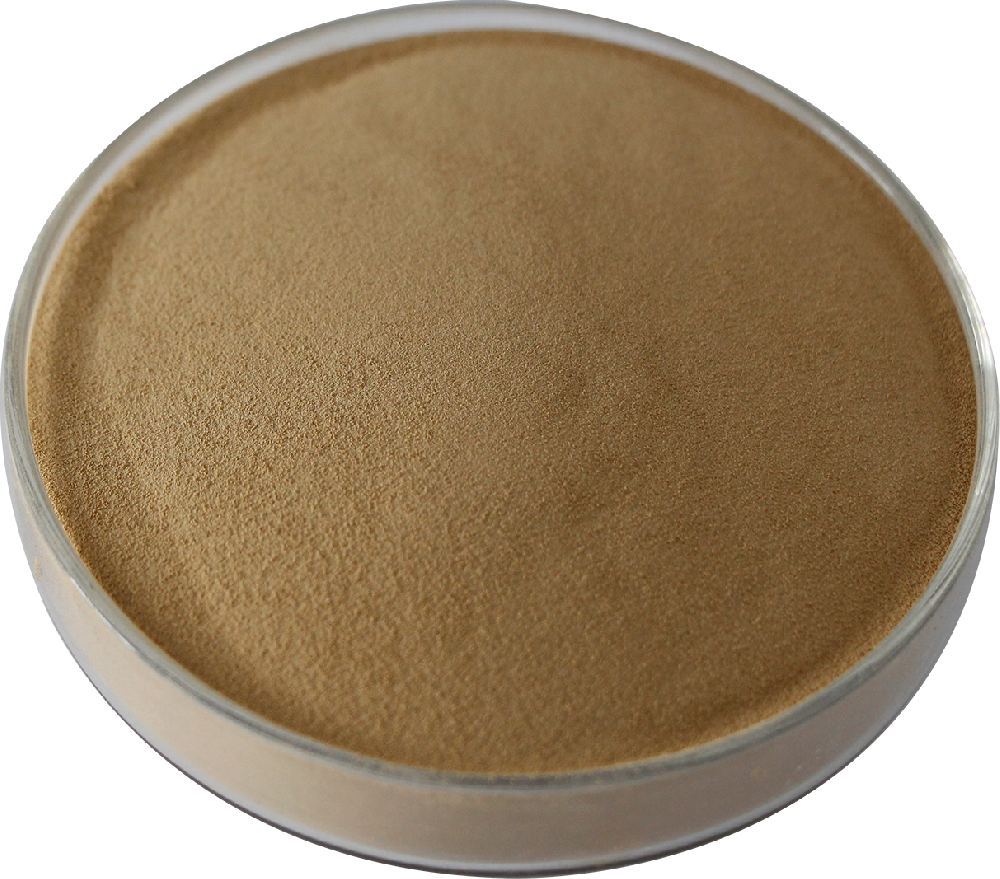
The presentation describes Ulva polysaccharides as water-soluble sulfated polysaccharides extracted from green seaweed. Their components include rhamnose, glucuronic acid and xylose. Enzymatic processing allows the seaweed carbohydrate fraction to be prepared as a more concentrated ingredient.
This distinction matters in shrimp feeding. Whole Ulva powder and extracted seaweed polysaccharides have different compositions, and their trial doses are not interchangeable.
Antioxidant indicators in whiteleg shrimp
A trial summarized in the presentation evaluated Ulva polysaccharides at 300 g per tonne of feed. Reported antioxidant measurements included:
| Indicator | Control | Ulva polysaccharide group |
|---|---|---|
| GPx | 175 | 203 |
| SOD | 12.16 | 18.00 |
| GSH | 1.83 | 3.53 |
| MDA | 4.51 | 2.85 |
The presentation also reports higher survival during a low-oxygen challenge. Together, the results suggest a potential role in supporting the antioxidant response of whiteleg shrimp under the tested conditions.
The statistical annotations support a difference in GSH between the two groups. They do not establish a significant difference for every other indicator. The table values should therefore be read as measured responses, rather than proof that all antioxidant parameters improved significantly. The presentation does not provide measurement units for this table or an exact numerical hypoxia-survival result.
Ulva powder under ammonia stress
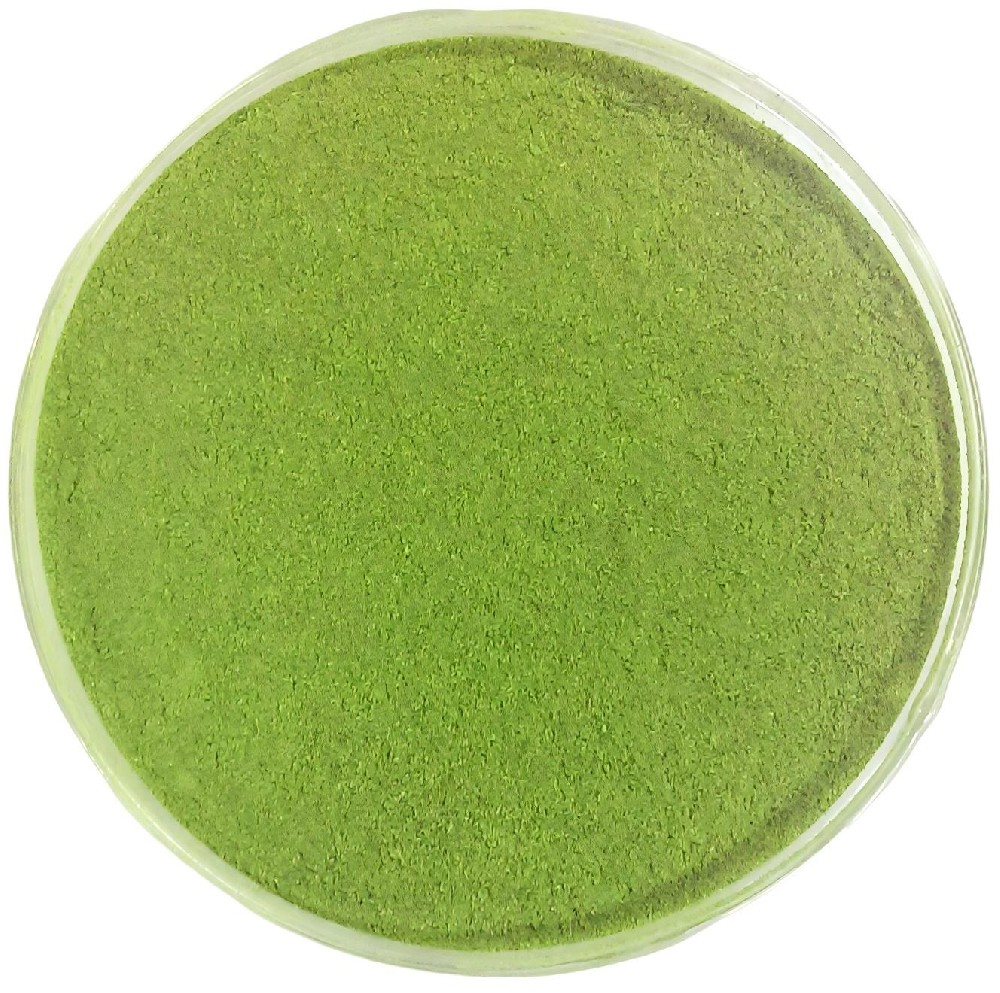
A separate trial compared a basal diet with the same diet containing 2% Ulva powder. The presentation reports lower mortality in the supplemented group during an ammonia-nitrogen challenge, together with changes in nonspecific immune enzyme activity.
This result gives feed manufacturers another application to investigate. It does not establish that a 2% powder inclusion and a 300 g/t polysaccharide inclusion provide equivalent effects. Each ingredient should be evaluated against the specific stress condition and species stage being targeted.
Feeding performance with enzyme-treated Ulva
Seawin's presentation also describes an enzyme-treated Ulva product containing soluble polysaccharides and DMSP. In one whiteleg shrimp trial, a treatment labelled “0.4” recorded a daily feeding rate of 2.42%, compared with 2.22% in the control. Final weight reached 15.83 g versus 15.32 g.
Feed conversion did not improve in that group: the reported ratio was 1.66, compared with 1.63 in the control. This shows that a stronger feeding response should be assessed alongside how efficiently the additional feed supports growth. The presentation does not clearly state the inclusion unit behind the treatment label, so it should not be used as a commercial dosage instruction.
Building a useful shrimp feed trial
A practical evaluation should match the ingredient to a clear objective. For an extracted polysaccharide, this may be antioxidant response under a defined stress challenge. For a powder or enzyme-treated ingredient, feeding response may be part of the assessment.
Record water conditions and compare feed intake, growth, feed conversion and survival. Use the same basal formula across treatments, with nutritional adjustments where necessary. This helps identify whether an Ulva ingredient contributes value to the existing aquaculture feed program.
Contact Seawin Biotech to discuss Ulva ingredients for shrimp feed and an evaluation based on your formulation goals.
Source note: Data and trial descriptions are drawn from slides 14, 29 and 35 of the supplied presentation. It attributes the studies to Zhao Min, Xi Qingkai et al. (2020), Zhou Z., Wang L., Dai M. et al. (2023), and Sun Yat-sen University/Yellow Sea Fisheries Research Institute (2022). Full underlying reports were not supplied.



 RSS
RSS