


1. Introduction
Soil degradation, nutrient fixation, and salinity are major challenges limiting crop productivity worldwide. Biostimulants based on beneficial microbes and seaweed-derived compounds are increasingly used to improve soil health and nutrient efficiency.
This study evaluates the effect of a Bacillus-based biostimulant (Synergy) on soil properties and ginger growth under field conditions in China.
2. Trial Overview
- Location: Weifang, Shandong, China
- Crop: Ginger
- Trial Period: April – September 2024
- Product: Synergy (Bacillus + Seaweed Polysaccharides + CaO & MgO)
Application Program:
- Dosage: 4 kg/ha
- Timing: Two applications at seedling stage
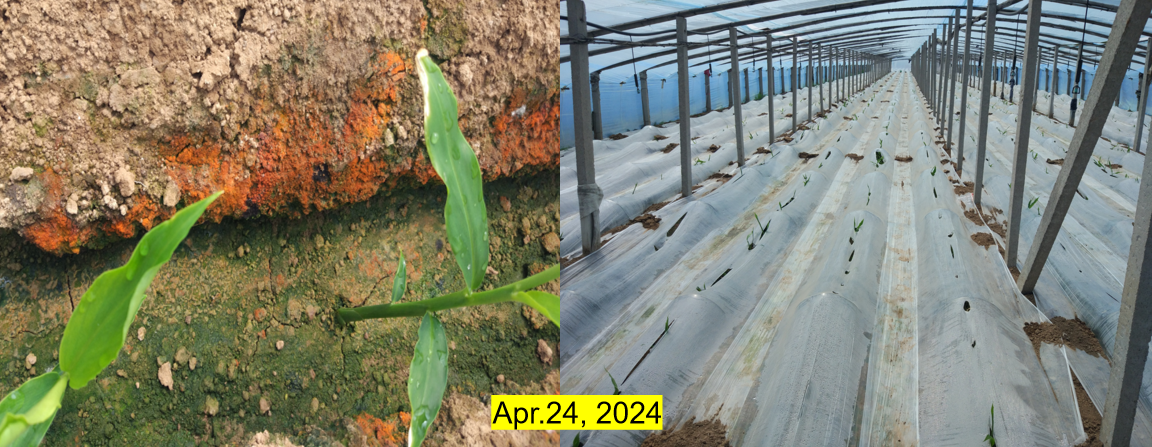
3. Key Findings
✔ Improves Nutrient Availability
- Activates fixed phosphorus and potassium
- Enhances nitrogen uptake efficiency
✔ Enhances Soil Health
- Reduces soil salinity (EC reduced by 27.1%)
- Improves soil pH balance
✔ Promotes Plant Growth
- Plant height increased by 5.5%
- Stem diameter increased by 15.8%
These results indicate that microbial biostimulants can significantly improve both soil function and crop performance.
4. Soil Improvement Mechanism
4.1 Activation of Soil Nutrients
Field data shows a decrease in measured organic matter, nitrogen, phosphorus, and potassium in treated soil.
This is not a loss, but a conversion process:
Nutrients are released from soil reserves and absorbed by plants
Key mechanism:
- Bacillus breaks down organic matter
- Converts fixed nutrients into available forms
- Enhances nutrient cycling efficiency
4.2 Reduction of Soil Salinity
- EC value decreased significantly compared to control
- Indicates reduced soluble salt stress
This is critical for:
- Root health
- Nutrient uptake
- Stress resistance
4.3 Improvement of Soil pH
- Slight increase in pH in treated soil
- Helps buffer acidic soil conditions
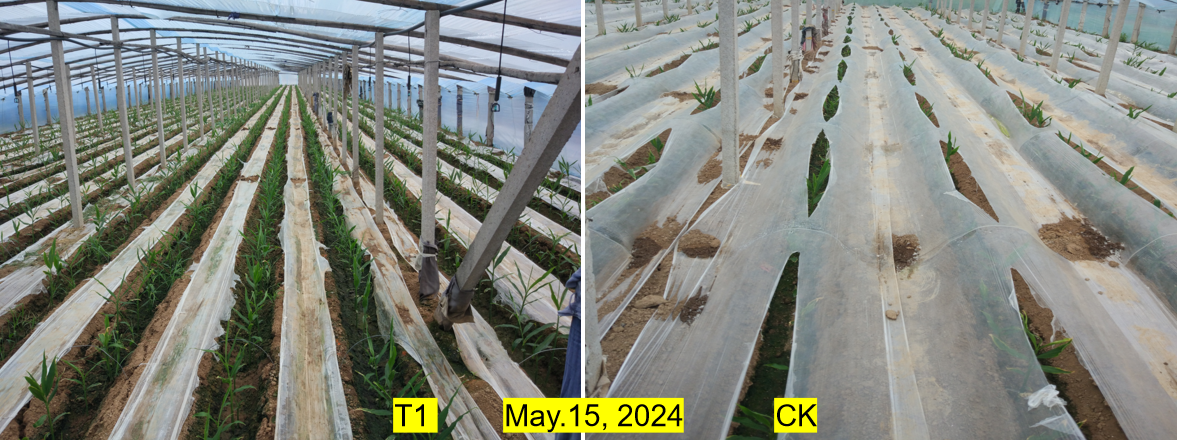
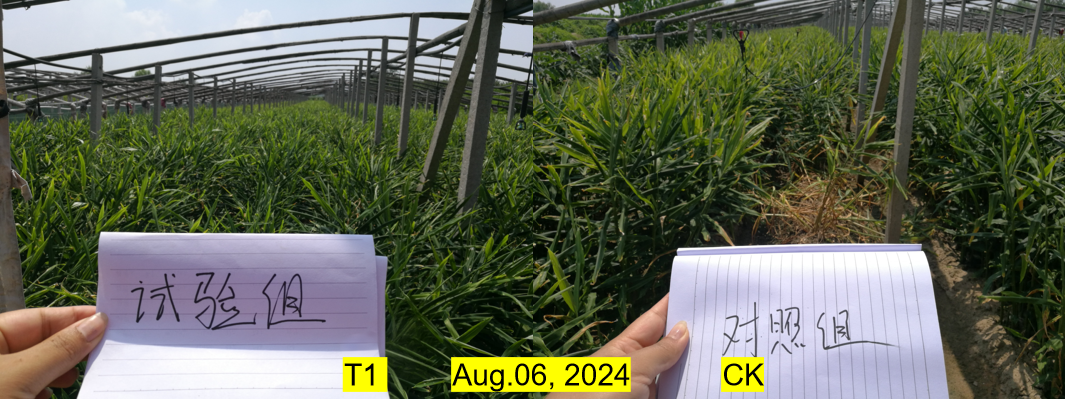
5. Impact on Ginger Growth
Compared with control:
- Taller plants
- Thicker stems
- Stronger vegetative growth
Indicates improved:
- Nutrient absorption
- Root activity
Overall plant vigor
6. Why This Matters
This trial confirms that microbial biostimulants are not fertilizers, but efficiency enhancers:
They help farmers to:
- Use existing soil nutrients more efficiently
- Reduce fertilizer dependency
- Improve soil sustainability
- Increase crop resilience
7. Conclusion
The application of Synergy demonstrates that:
- Soil nutrients can be activated rather than added
- Soil salinity and acidity can be improved
Crop growth can be significantly enhanced
Microbial biostimulants represent a key solution for sustainable agriculture and climate-resilient farming systems.



 RSS
RSS